
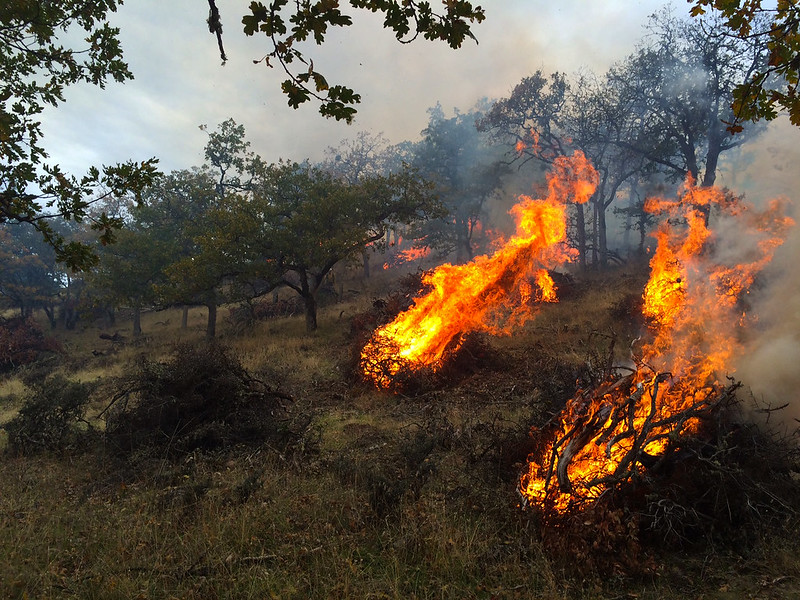
With the devastation of Lahaina, the loss of life, and the heartbreak of our neighbors fresh in our minds, keeping anything like this from happening again must be everyone’s top priority. Removal of fuel for potential fires ia first step, and the most dangerous and flammable of these fuels are Haole Koa and the various invasive grasses like Buffelgrass and Fountain Grass. This guide is intended to help landowners and maintenance crews identify and effectively remove these plants
RESPONSIBLE PRACTICES
- Many “Easements” exist on private property throughout Launiupoko. These normally exist to provide access to utility companies (water, electric, communications lines) but are still the owner’s responsibility to maintain. The exception to this are the under-road culverts that only extend a short distance from the roads, designated park(s), or the few indicated Archeological Sites.
- Take note that during removal of materials, according to State and Federal regulations, owners may not alter the course of drainages / ravines (whether dry or running), and may not impede the flow of potential flood waters, nor take action that would speed them up.
GUIDANCE
It is the intention of this guide to remove highly flammable plant materials that can catch fire from wind-blown embers or provide corridors for fire to race unimpeded from one property to the next. Invasive grasses and Haole Koa are the main culprits, however, shrubs with woody stems or trunks and that drop a lot of debris (such as Bougainvillea) are also quite dangerous and can act like fuses, carrying the fire throughout neighborhoods.
Grasses – Best to “weed-eat” invasive grasses while they are still green. This will give them time to rot and break down into harmless mulch. Tall brown grasses, however, should be cut close to the ground, bundled up and taken off property.
Haole Koa – Haole Koa and any other highly flammable tree or shrub should be cut close to the ground. If the owner does not want it to resprout, it is helpful to paint (or use a small highly directed spray) the cut end of the trunk or stump with a brush killer like Bioadvanced Brush Killer Plus. This will kill the plant root and all. All trash and cut wood should be taken off property.
Ladder Fuels – Grass fires can leap up into trees such as Keawe and catch the tree on fire causing a much hotter and dangerous blaze. Thus, eliminating the “ladders” up into the tree by cutting all low hanging branches can eliminate this danger. Keawe trees should be “skirt-lifted” 8 feet from the ground.
Dead Material – Of course, all dead plant material including dead or fallen branches should be taken off property. Brush piles are not allowed on properties and should be removed immediately. The exception is compost piles that are actively managed, kept moist and/or covered with a tarp or other.
Ravines and Gulches – Trimming of trees and cutting of weeds and grass in ravines is very important because they often act as fire corridors, moving a fire from property to property. Be aware that owners must take care that this maintenance does not dramatically change the way that waters may flow during floods.
By following these guidelines and rules we can all make our neighborhoods safe for this summer and all summers to come.
 West Maui Wildfire Readiness Ohana
Leave a comment